
1970s
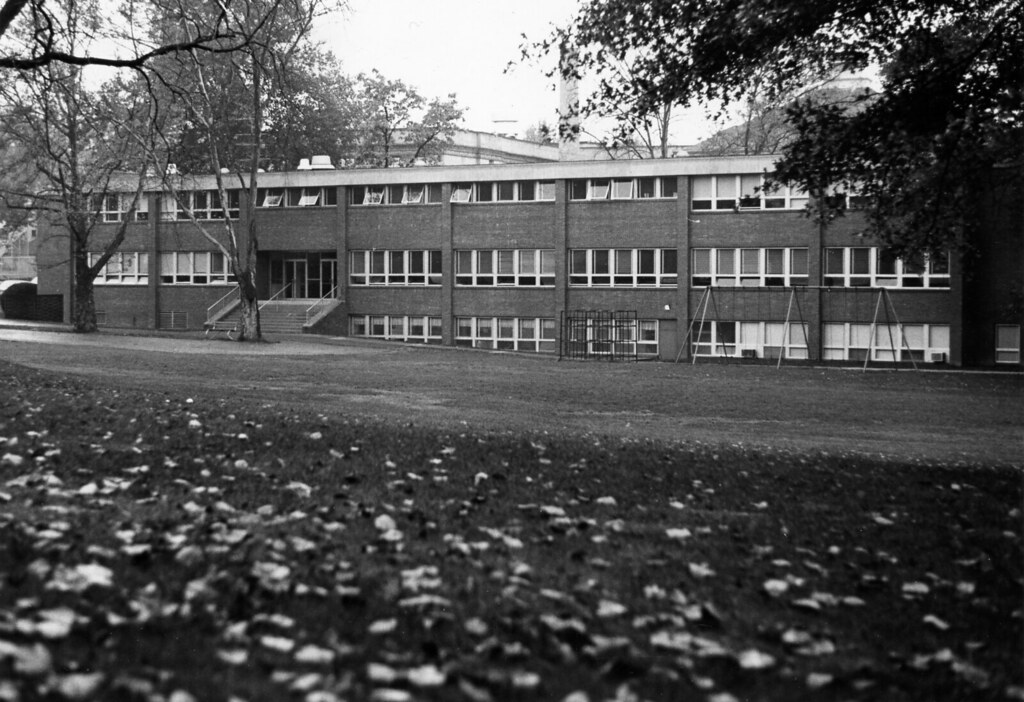
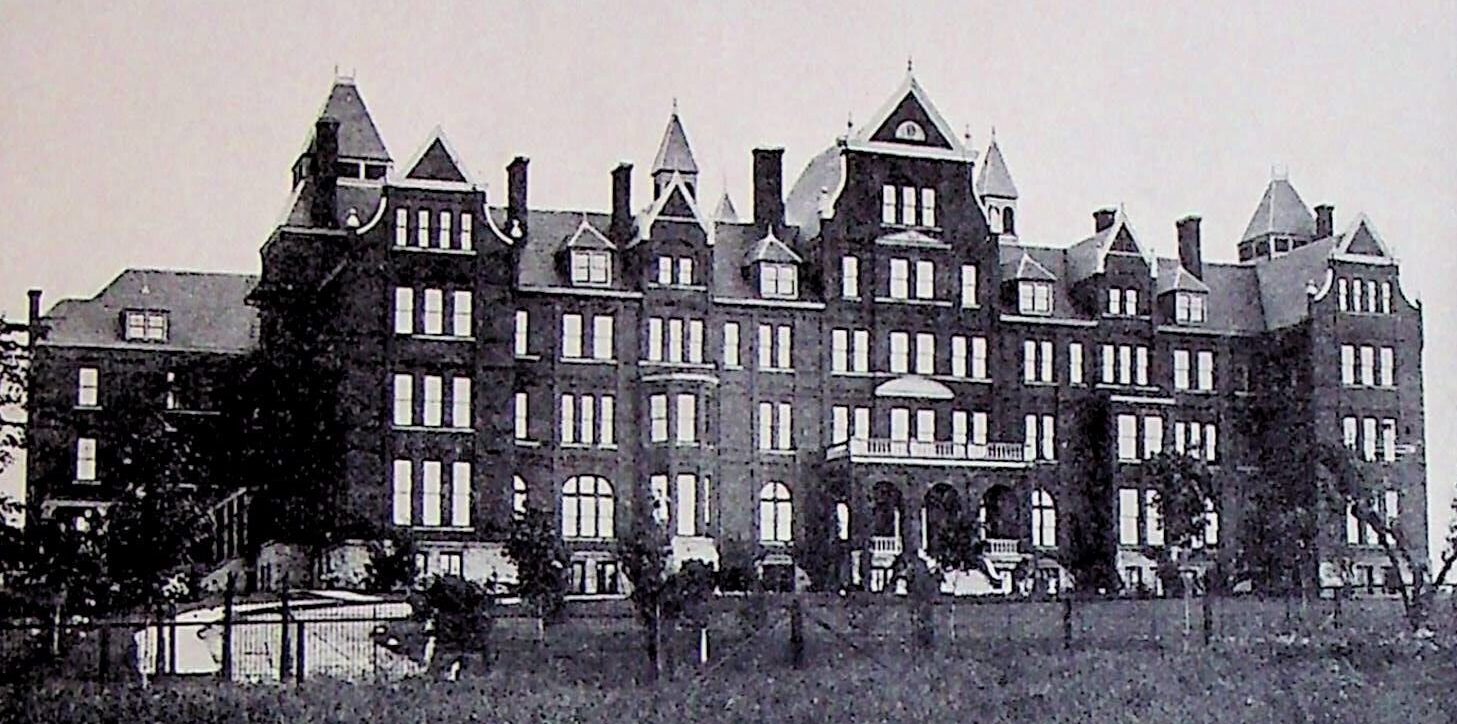
In the summer of 1970, extensive remodeling took place on campus. The Lower Intermediate Building was converted into a boys’ dormitory, while the Boys’ Side was repurposed as a classroom building to accommodate changing needs. Blackboard and teaching equipment were relocated to the Boys’ Side, while bedroom and lounge furniture were moved to the new dormitory. Additional toilet and shower facilities were installed on the first floor to accommodate approximately 75 boys, and lighting was upgraded in the new classroom spaces.
The goals of this renovation were:
- To consolidate academic classrooms into the Main Building.
- To provide an attractive and comfortable dormitory for the boys.
- To bring supportive services, such as instructional media and curriculum coordination, closer to classroom areas.
- To expand club and extracurricular activities by increasing available space.
The laundry facility had been in operation since 1887. However, in 1970, cleaning clothes for the children ceased, and all linens were thereafter sent out for cleaning. Two years later, in 1972, the building was demolished.
The 1970-71 basketball team faced challenges at the ESDAA tournament, held at St. Mary’s School for the Deaf in Buffalo, New York, losing all games due to a flu outbreak that left the team short on players. Following this difficult season, WPSD resigned its membership from ESDAA.
In 1971, WPSD introduced the “open classroom” concept in the Middle School. This approach emphasized an open learning environment where students actively participated in their education at their own pace, receiving motivation and encouragement tailored to their individual learning needs.
After-school programs in photography, home repair, auto repair, gardening, weaving, interior decorating, and other avocations proved quite popular with the students.
The Verbotonal Method was introduced to emphasize the development of normal voice quality, rhythm, and intonation patterns.
A new vocational course for girls, Home Mechanics, was introduced, teaching skills such as basic electrical work, simple plumbing, furniture refinishing, and window shade repair, providing practical knowledge for daily life.
Two new tennis courts were installed between the Superintendent’s Residence and the girls’ field, enhancing recreational opportunities.
In the high school, reorganization efforts included the appointment of Consulting Teachers for core subjects like Language Arts, Science, Math, Social Studies, Vocational Studies, and Special Studies to strengthen academic support.
During the summer of 1971, 50 students participated in the Intermediate Department’s Summer School, focusing on improving language, reading, and mathematics. Activities included swimming, golfing, tennis, picnics, arts and crafts, and a memorable trip to Three Rivers Stadium to watch a baseball game.
The Parents’ Association generously funded the construction of a greenhouse behind the Boys’ Vocational Building, which served both educational and extracurricular purposes. They also donated a scoreboard for the athletic field, which was mounted on the Porterfield gymnasium. A significant infrastructure upgrade replaced the outdated central heating system from the boiler house with an independent heating system for the Main Building, Primary Building, Boys’ Vocational Building, and both the old and new gymnasiums.
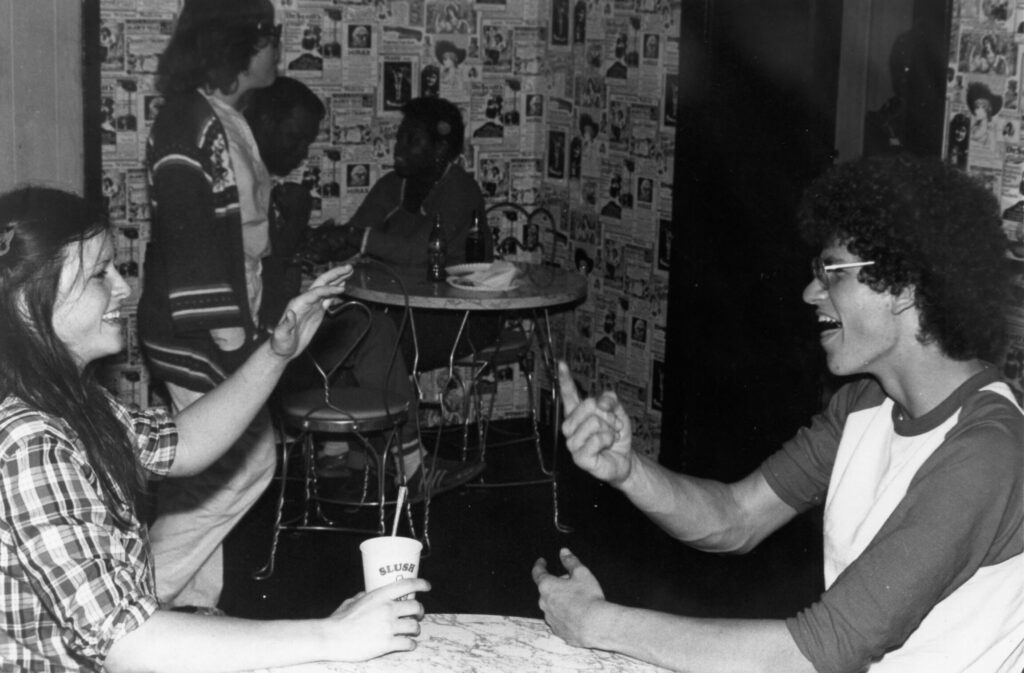
In 1971, the long-awaited student snack bar was established by the Alumni Association and named the Lion’s Den. Bernard Volbrecht generously donated an old-fashioned soda fountain from his store, giving the space a nostalgic charm.
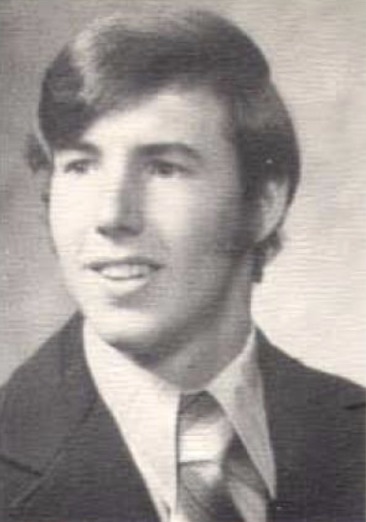
The WPSD track team had an exceptional season, remaining undefeated with a 10-0 record in regular meets. However, they finished second to St. Mary’s School for the Deaf in the ESDAA championships at Gallaudet College, with a score of 147-110. Despite the loss, David Glenn ’73 broke two ESDAA track records with a mile run time of 4:42.0 and an 880-yard run in 2:03.1. Other record-breaking achievements included Donald Rand ’72 in the 120 high hurdles (16.2 seconds), Marcus Hooper ’73 in the high jump (5 feet 11 inches), and Alan Shaulis ’71 in the triple jump (41 feet).
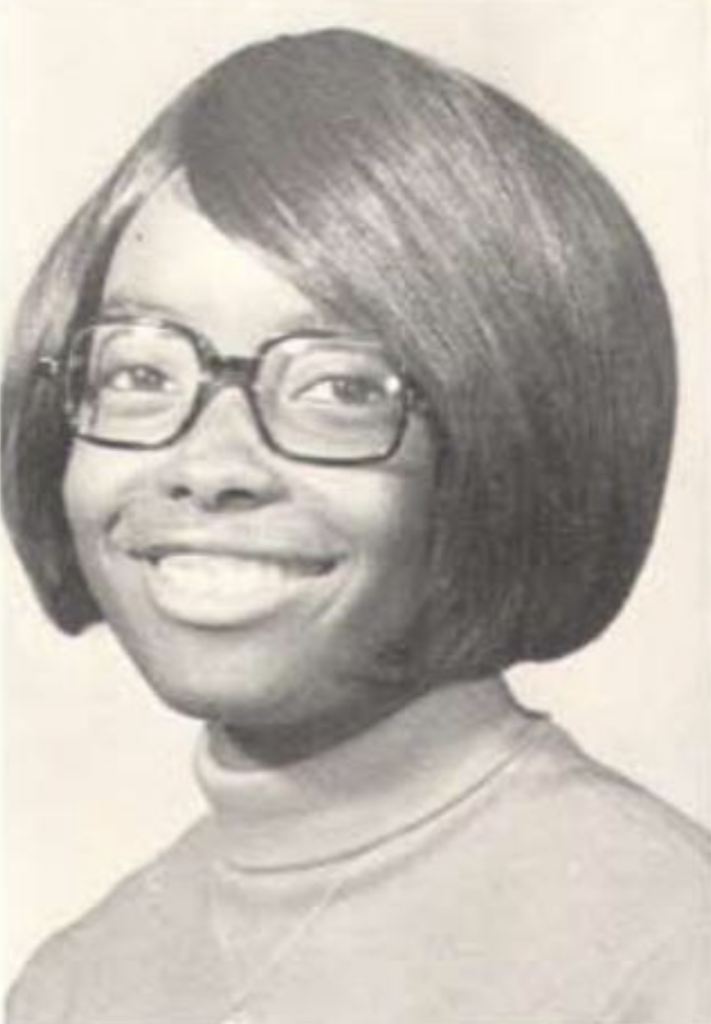
In a historic milestone, Vivian Ivory ’71 became the first African American May Queen, reflecting progress and inclusivity within the school community.
The Laundry Building was closed, with laundry services outsourced to a commercial facility. The following year, the Boiler House, and Laundry Building were demolished to make way for the construction of a new girls’ dormitory.
In 1881, WPSD’s student attendance surpassed 100 for the first time, reaching 102. Enrollment continued to grow over the years, surpassing 300 in 1948, 400 in 1956, and 500 in 1968. The school’s highest recorded enrollment came in 1972, with 551 students.
Following a policy change that limited participation in all sports, WPSD withdrew its membership from the ESDAA. However, in 1972, the school hosted its first annual invitational basketball tournament, which included four teams, with WPSD finishing in last place.
An auto shop was established, offering boys the opportunity to learn valuable skills such as oil changes, lubrication, tire changes, and general and exhaust repairs, preparing them for potential careers in automotive maintenance.
That same year, WPSD students began attending the annual residential program at the Governor’s School for the Arts at Bucknell University in Lewisburg, where they had the opportunity to engage with talented high school students from across Pennsylvania.
The Class of 1972 took a senior trip to Washington, D.C., visiting key landmarks such as the U.S. Congress, the White House, the Jefferson, Lincoln, and Washington Memorials, Arlington Cemetery, the Smithsonian Institution, and Mount Vernon. This tradition continued with the Classes of 1973 and 1974.
In 1973, WPSD expanded its partial integration program, sending some high school students to McKeesport Area Technical High School and some primary-age students to Shaffer Elementary School. Additionally, several preschool hearing children participated in daily learning experiences at Aanarde.
The WPSD-Lexington Exchange Program brought students from both schools together. In 1973, Gary Butlin ’74, Debra Krause ’74, Kathy Maier ’73, and Kenneth Taylor ’73 visited the Lexington School for the Deaf in New York City. In exchange, Theresa Caragliano, Jeffery Dunefsky, Randy Kirsher, and Patrick O’Hara came to WPSD, attending classes and participating in extracurricular activities for a week.
In 1973, soccer was introduced as an interscholastic sport for the girls’ team, which won three out of four games in its inaugural season.
Unfortunately, an outbreak of Shigella, an intestinal disease characterized by diarrhea, fever, vomiting, and abdominal pain, spread among the primary-age children. As a result, the school closed one week earlier than usual for Christmas vacation.
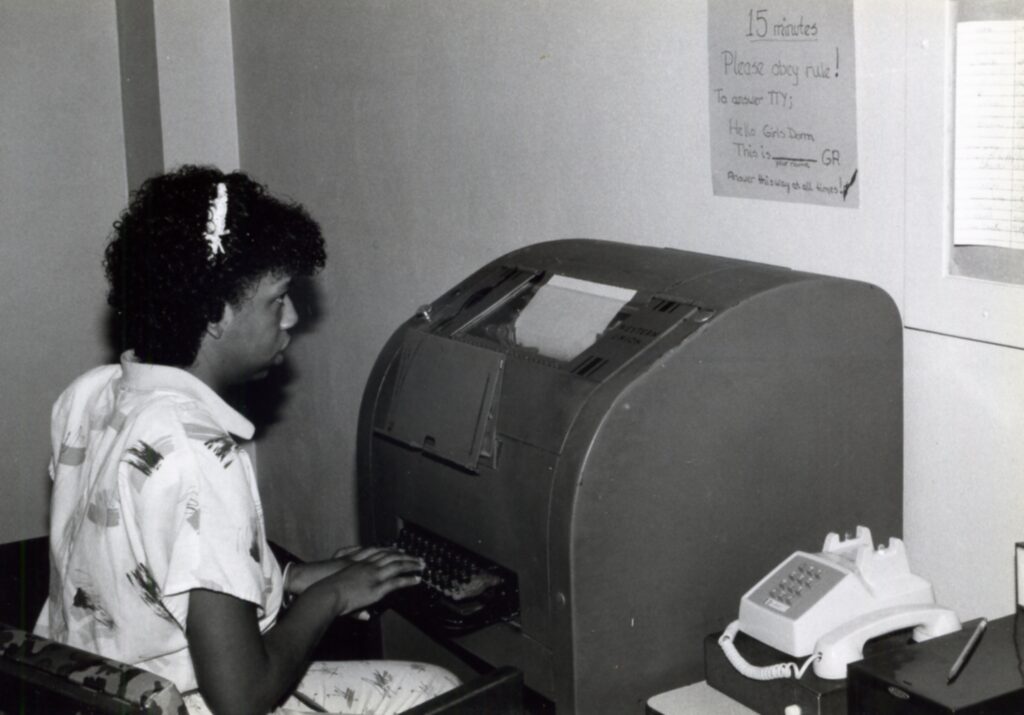
The Alumni Association donated two TTY machines, one for the Boy’s Dormitory and one for the Girl’s Dormitory.
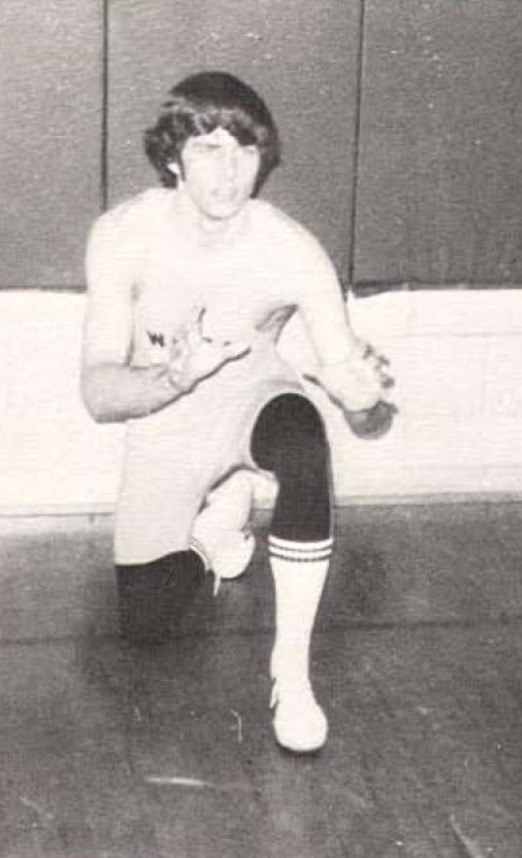
The wrestling team posted an 8-6 winning season record in 1974. Captain Gary Butlin ’74, who had previously won the Most Outstanding Wrestler Award and placed second at the 38th Annual National Independent College Preparatory Schools and Academics Wrestling Tournament at Lehigh University, led the team.
In 1974, WPSD hosted an Invitation Basketball Tournament, though it was originally planned to include six teams. A bus accident led to the withdrawal of the Lexington and Pennsylvania Schools for the Deaf, leaving three hearing schools and WPSD to compete.
April 1974 saw WPSD students excel in the Pittsburgh Regional School Science and Engineering Fair, sponsored by the Buhl Planetarium and Institute of Popular Science. Danny Longo (Class of ’75) won an award for his entry, “Leaves,” while Rosemarie Rolewitz and Andrea Kovach (both Class of ’77) were recognized for their project, “Convection.”
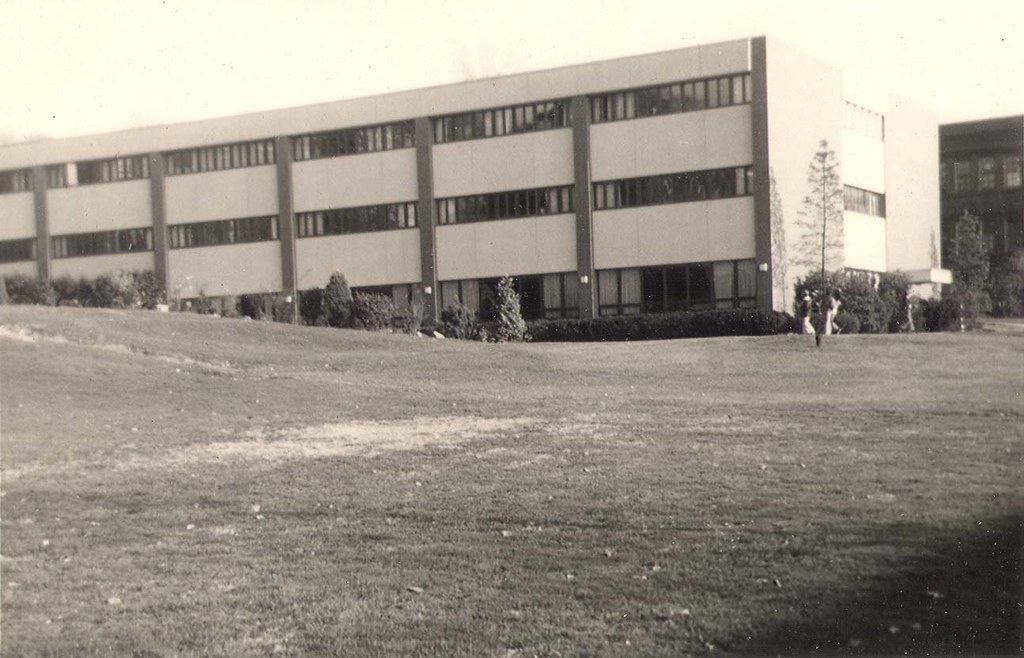
The new Girls’ Dormitory was built to house around 200 girls, divided into four color-coded wings: Yellow, Orange, Red, and Blue. Each wing contained bedrooms, study rooms, lounge areas, bath facilities, and a housemother’s office. The lower levels featured recreation areas, a dining room, and a modern kitchen.
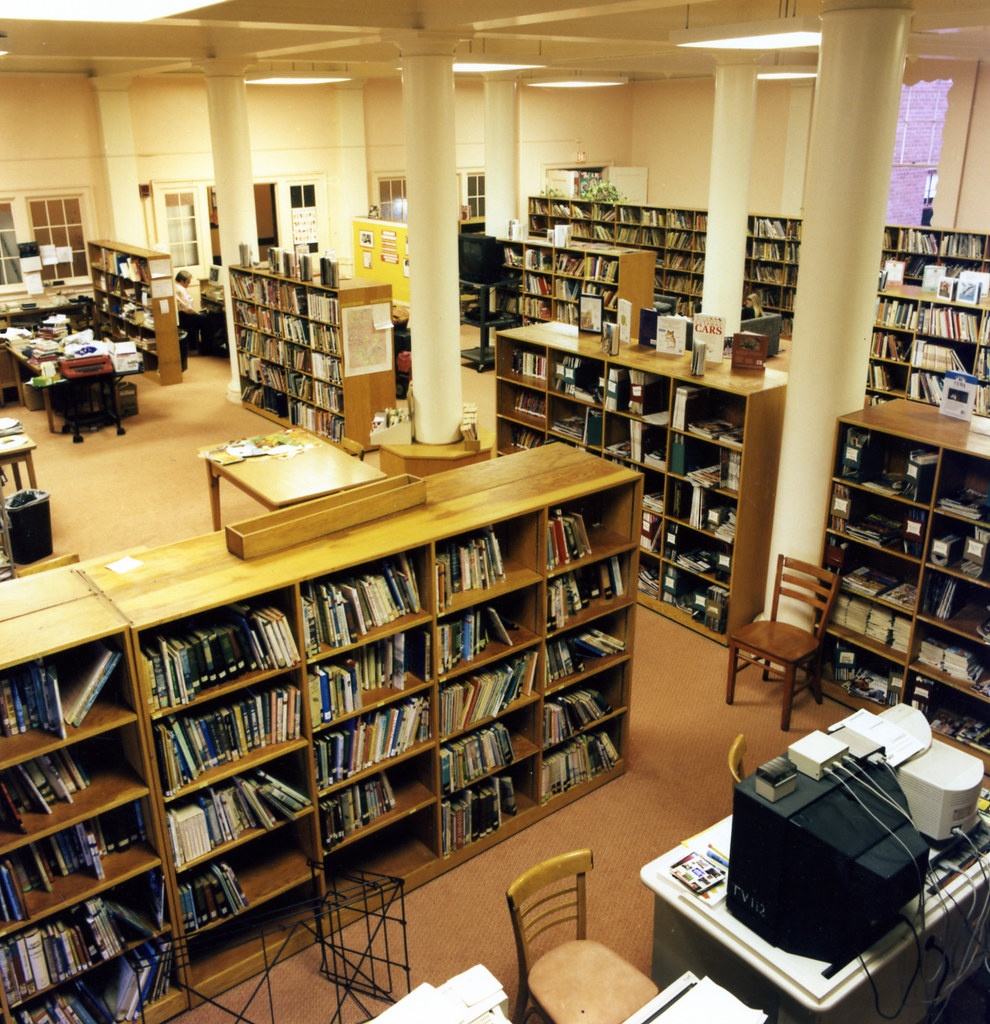
In a significant move, the school library was relocated to the larger and more attractive Main Dining Room. The ground floor of the new Girls’ Dormitory became the Student Cafeteria. Additionally, the Middle School expanded to occupy both the first and second floors of the Girls’ Side, while the Language Lab took over the entire third floor of the Main Building. The Special Studies Department moved from the third floor of the Boys’ Side to the basement of the Girls’ Side, freeing up more space for the Upper School.
To develop leadership skills, students chosen to serve as monitors attended a seminar at WPSD. They learned about their responsibilities, which included assisting Deans and house parents with dormitory tasks and chores. Through this training, they gained valuable leadership skills and learned positive ways to cope with challenges and help others adopt positive patterns of behavior.
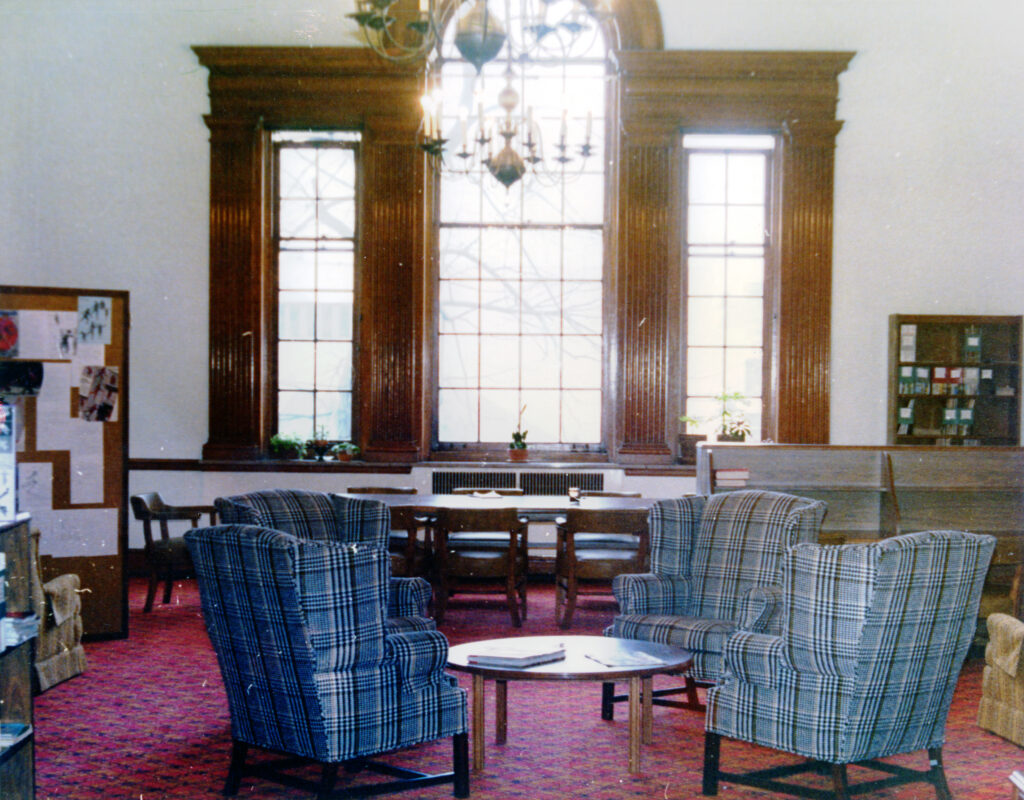
Around the same time, the Primary Dining Room underwent a trans-formation, becoming a Library Reading Room.
In 1976, the largest May Day cast featured 107 students, from Aanarde to 12th grade, who performed a dramatization of Benjamin Franklin’s life in celebration of the two hundredth anniversary of Independence Day. Beginning on October 6, 1976, deaf residents in the Pittsburgh area gained access to captioned ABC news broadcasts on WQED. This achievement was largely due to the efforts of the WPSD Parents’ Association, which gathered over 900 signatures in a petition urging WQED to air the captioned news feed from Boston’s public broadcasting station. Today, ABC Evening News is captioned live for deaf television audiences.
In the 1976-77 school year, WPSD launched a continuing education program for deaf adults, led by Dr. Gary Holman, with Sol Schwartzman as the liaison agent and Myra Shaffer as the educational coordinator. The program offered courses in news interpretation and current events, consumer protection, gourmet cooking, typing and language skills, and macramé.
On Friday, January 28, 1977, a severe snow blizzard and frigid temperatures stranded 141 students on campus overnight. Chaperones of the Altoona, Bowersox, St. Mary, and Erie buses worked diligently to keep the students safe and comfortable. Erie students remained on campus until the following Monday. Adding to the disruption, a statewide energy crisis kept WPSD closed until February 7.
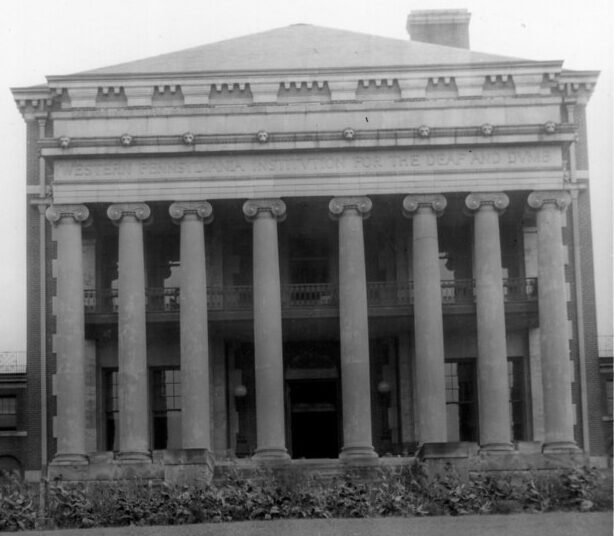
Structural weakening led to the removal of the balcony and porch from the second floor of the Main Building.
To comply with federal accessibility requirements and enhance accessibility for individuals with disabilities, several significant updates were made in 1977. These included adding two ramps to the Main Building entrance, renovating three bathrooms, installing railings, and adding an elevator.
Under a special grant, select 11th and 12th graders began taking courses for credit at the Community College of Allegheny County. The courses included Basic Chemistry, Psychology, Basic Physics, and Child Psychology, providing students with valuable learning opportunities.
The Choices for Children program was established to offer early intervention services to families with infants and toddlers who are deaf or hard of hearing, further expanding WPSD’s mission to support the community. Generous contributions from the Parents’ Association in 1977 totaled $11,500, funding a new scoreboard for the Porterfield Gymnasium and an animal carousel for Aanarde.
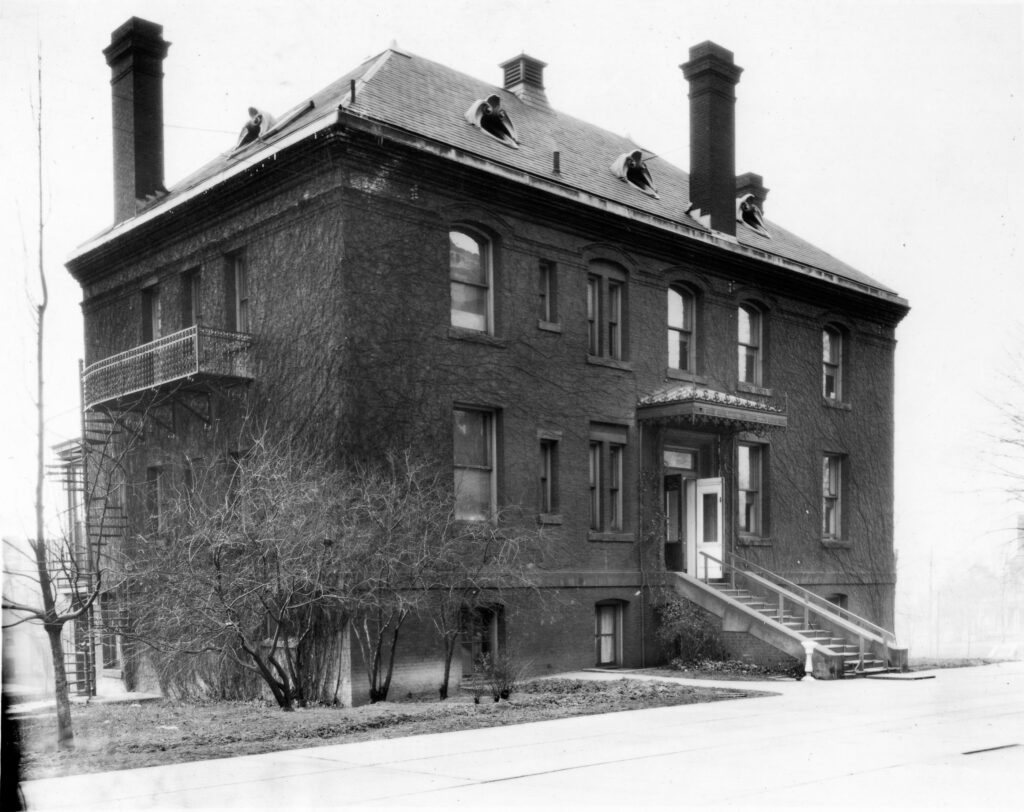
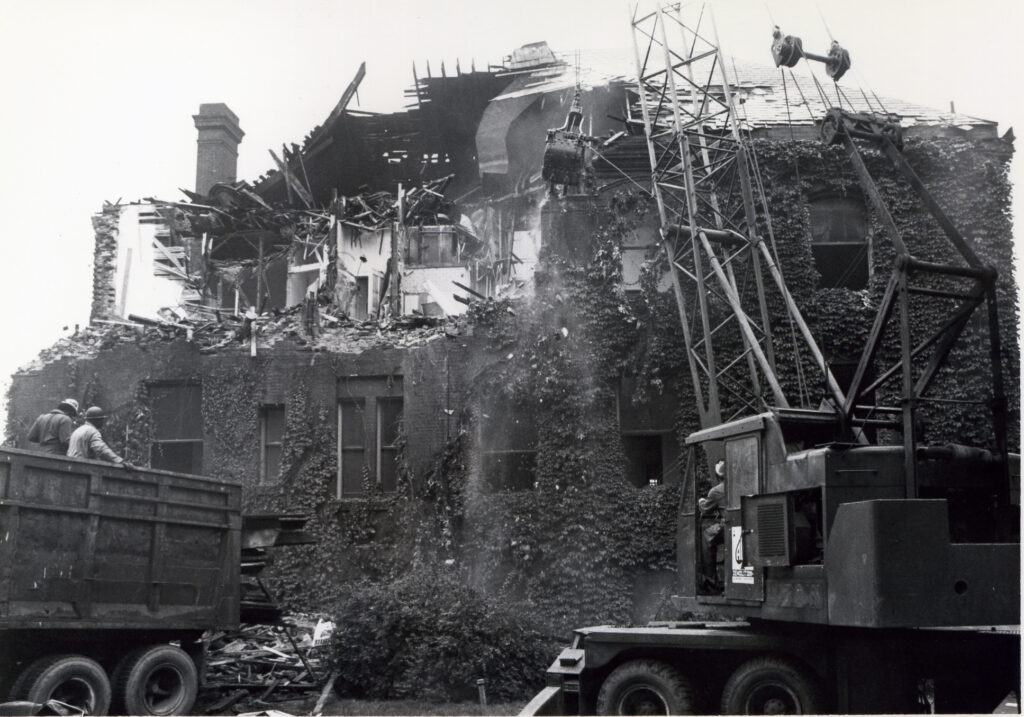
Constructed in 1897, the Infirmary Building was photographed before 1918 and underwent several changes, including the replacement of its front doors, before being demolished in 1979. During the summer of that year, WPSD carried out multiple remodeling projects to improve compliance with Section 504 of the 1973 Rehabilitation Act, which mandates accessibility for individuals with physical disabilities. As the old Infirmary did not meet these requirements, it was razed.
The new Infirmary, housed within the Girls’ Dormitory, features a modern examination room, an efficient, up-to-date clinic, five patient rooms with a total of 11 beds, a dental clinic, a physical therapy room, and kitchen and laundry facilities dedicated to infirmary use. This project was made possible through a generous cash gift from the estate of Russell Anderson, a former student (1932-1943). Honoring his legacy, the Board of Trustees allocated funds to construct the new Infirmary within the Girls’ Dormitory.
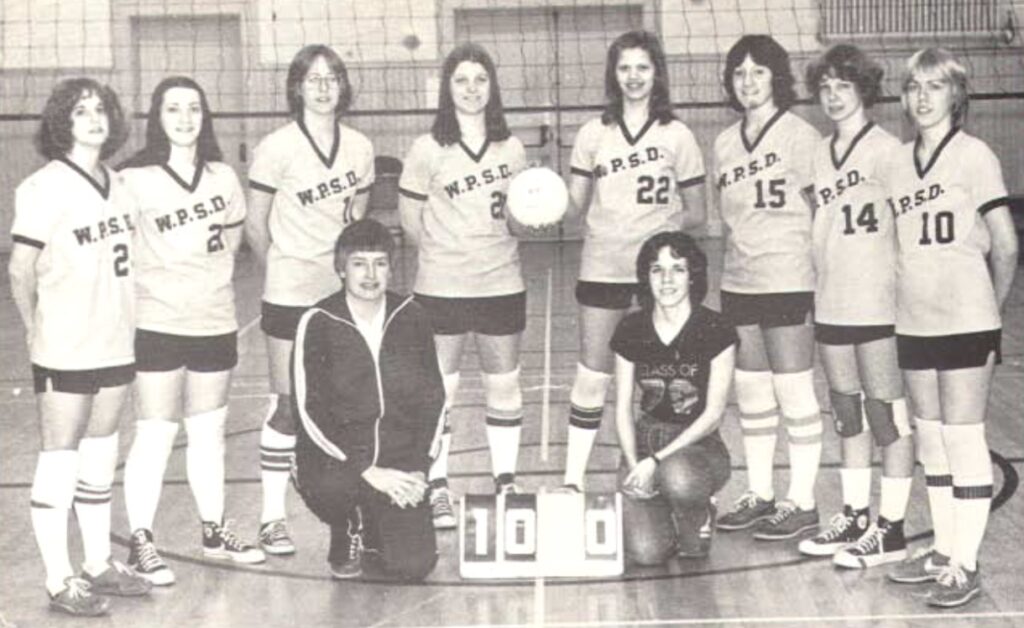
The girls’ volleyball teams had a historic season, with both the varsity and junior varsity teams remaining undefeated. The varsity team finished with a perfect 10-0 record, while the junior varsity team went 9-0.
Through a grant from the National Science Foundation, selected 11th and 12th-grade students were given the opportunity to take college courses for credit at the Community College of Allegheny County–Boyce Campus during the 1979-80 school year. The first semester included Basic Chemistry and Psychology, followed by Basic Physics and Child Psychology in the second semester.