1980s
Thanks to a grant from the William Randolph Hearst Foundation, WPSD acquired 21 telecaption adapters for televisions throughout the school. Additionally, three more adapters were donated, including one from the Greater Pittsburgh Deaf Lions Club and another from WQED in Pittsburgh in 1980. These devices significantly improved access to television programming for deaf students, enhancing their educational and entertainment experiences.
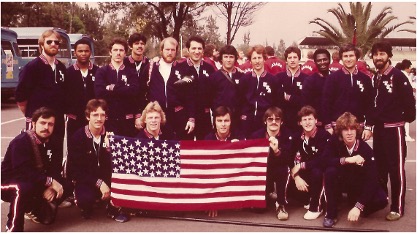
Wes Hawkins ’78, Stephen Rute ’74, and Allen Talbert ’72 participated in the Western Hemisphere Soccer Playoffs in Mexico City for the 1981 World Games for the Deaf (Deaflympics). Although their team achieved its first international victory by defeating Australia, they did not make it to the World Games for the Deaf.
About 50 students from the Special Studies Department at WPSD took part in the Special Olympics at John Linton Junior High School in Penn Hills. This marked the first time WPSD students participated in the event. Steven Fochtman ’81 and Linda Sue Hoffman ’83 attended the inaugural Close-Up program in Washington, DC, where they gained a deeper understanding of the US government and political processes.
In the World Games for the Deaf (Deaflympics) held in Cologne, West Germany, in 1981, Robert Cline ’80 won a gold medal as a member of the USA 4×100 meter relay team. Darrin Majocha ’83 was a member of the USA water polo team, which finished in fifth place.
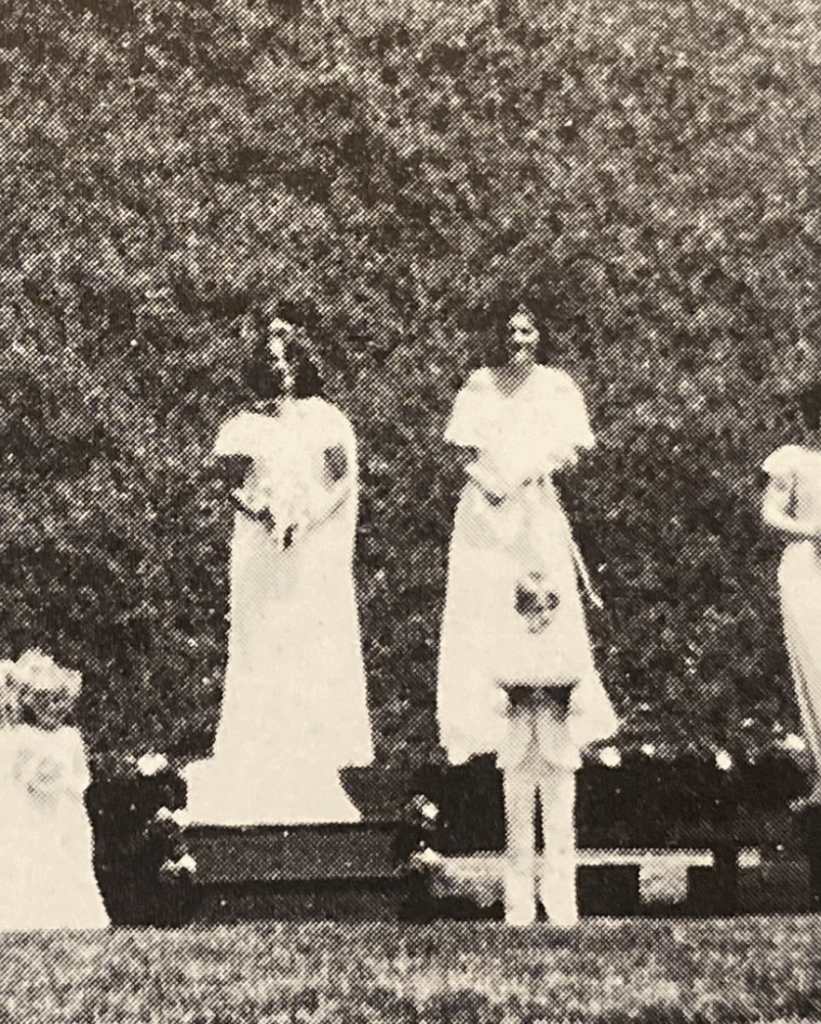
Daniel Sheppeck ’91 became the first boy to serve as the bearer at the May Day Festival, honoring his sister, Marci ’80, who was the May Day Queen.
At the Central States School for the Deaf (CSSD) Basketball Tournament, the WPSD Girls’ Varsity Basketball team lost the consolation game to Indiana School for the Deaf, 39-37. However, the Boys’ Varsity Basketball team won the consolation championship and earned the Sportsmanship Award.
The Girls’ Track team broke twelve out of fourteen school records.
The Millmen’s Local Union No. 1160A donated a beautiful carousel that was placed in the playroom in the Girls’ Dormitory in 1981.
In the spring of 1982, the parents of Stephen Eberle, who had been engaged in a lengthy legal battle with the Pittsburgh Public Schools over his right to remain enrolled at WPSD, received a favorable ruling. The Federal District Court for the Western District of Pennsylvania determined that WPSD was the “appropriate” educational placement for Stephen. The Eberle family had fought for this decision since 1976, and in recognition of their efforts, the WPSD Parents’ Association provided them with $1,000 to assist with legal fees.
Sherry Peery’s cooking class tied for first place with Upper St. Clair High School at the County Wide Nutritious Bread Bake-Off held at Hampton High School, where they baked a delicious, shredded wheat bread.
In early 1983, five grants were approved, bringing computer technology and awareness to nearly every corner of the WPSD campus. Texas Instruments 99/4A microcomputers were installed for children aged 3-12 in the Preschool, Elementary Resource Center, and Library Reading Room. Two Apple computers were set up in the Upper School to introduce students to alternative problem-solving approaches, while another Apple computer was placed in the Speech Lab for use with the “LIPS” program, which generated facsimile lips to support speech development.
Additionally, two Superphones with cable connections were acquired to help students develop day-to-day communication skills. The final grant enabled the purchase of a WANG Office Information System for the Business Education classroom, further enhancing vocational training.
In the 1983-84 school year, WPSD introduced Instrumental Enrichment (IE) as a curriculum supplement. This extensive two- to three-year program focused on developing cognitive skills in adolescents and young adults. IE had been implemented in several schools across the country, and early reports indicated promising results for deaf students.
Due to declining enrollment and rising operational costs, the Pennsylvania School for the Deaf (PSD) eliminated its high school program and relocated to a smaller facility. As a result, several PSD students who lived within commuting distance on weekends enrolled at WPSD for the 1984-85 school year.

Rodney Danco ’65 became the first alumnus to serve on the WPSD Board of Trustees in 1984.
The 25th Alumni Reunion was held at WPSD, featuring entertainment by the “Deafnasty” group from Washington, DC, which included three WPSD graduates: Frank DelRosso ’60 as Blake, Mary Lou Novitsky ’74 as Krystle, and Randy Prezioso ’75 as Adam. Eugene Stangarone ’32 was the first alumnus to be inducted into the WPSD Athletic Hall of Fame.
The Alumni Association contributed funds for a new panel sign to be erected in front of the Main Building.
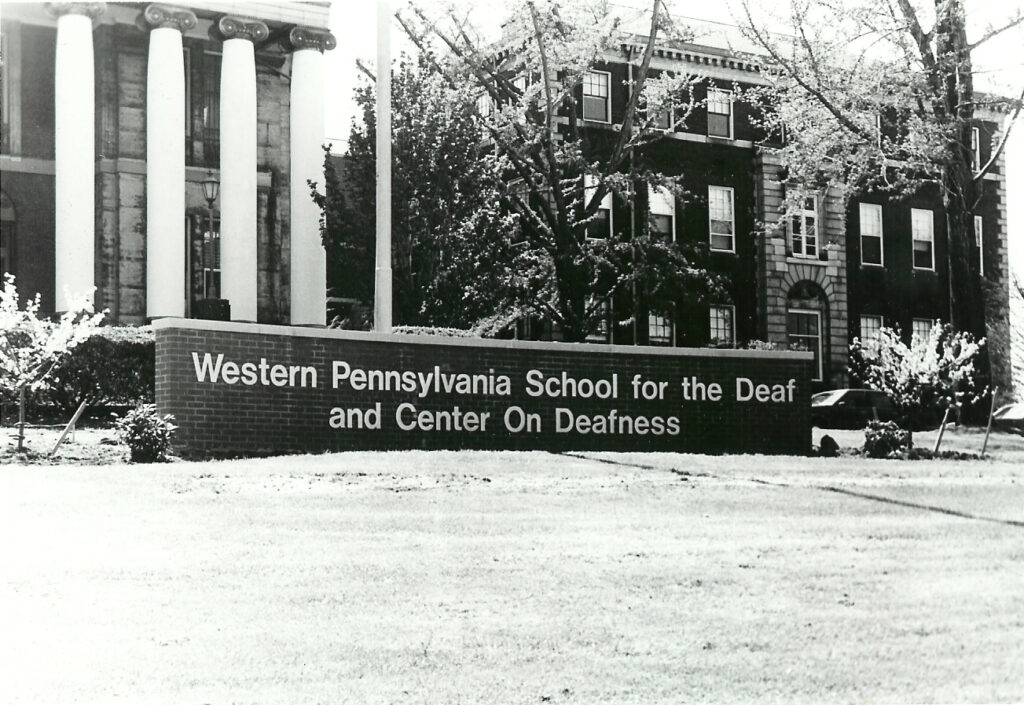
The first quarterly issue of the Alumni newsletter was printed, with Harold Mowl ’65 serving as editor.
In January 1985, WPSD introduced competency examinations for the first time, with 6th, 8th, and 11th-grade students participating. These exams were part of a school-wide initiative to assess student proficiency in core subject areas for appropriate diploma awards and class placements. The results were reviewed and refined over the next three years to improve the assessment process.
In October 1985, four WPSD students had a unique opportunity to gain firsthand experience in state government, thanks to sponsorship from Senator Joseph Rocks of Philadelphia. Seniors Harry Fisher and Melissa Watson, along with sophomores Alan Majocha and Wendy Payne, were selected based on their academic performance to serve as pages in the Pennsylvania State Capitol. They spent three days working alongside regular Senate pages, engaging in legislative activities, and learning about the legislative process.
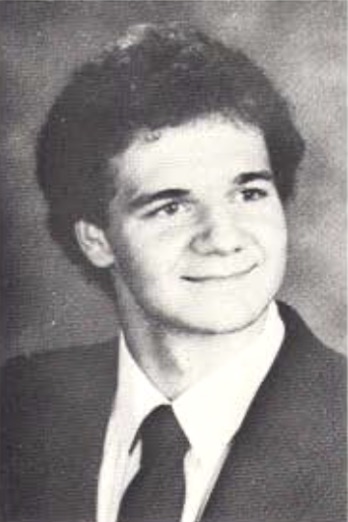
Charles Rubisch ’85, a standout basketball player, achieved remarkable milestones during his career at WPSD. He scored over 1,000 points and was named Pittsburgh Press Player of the Week. Charles made history as the first WPSD player to surpass 2,000 points, finishing with a record-breaking total of 2,032 points, surpassing the previous record of 1,512 points held by Mark Stopchick ’81. Art Kruger, Sports Editor of the NAD Broadcaster, honored Charles by naming him the National Deaf Prep Player of the Year.
In 1985, WPSD celebrated its largest graduating class ever, with 58 students receiving their diplomas. That spring, the school presented its first May Day play performed in sign language, a production of Beauty and the Beast.
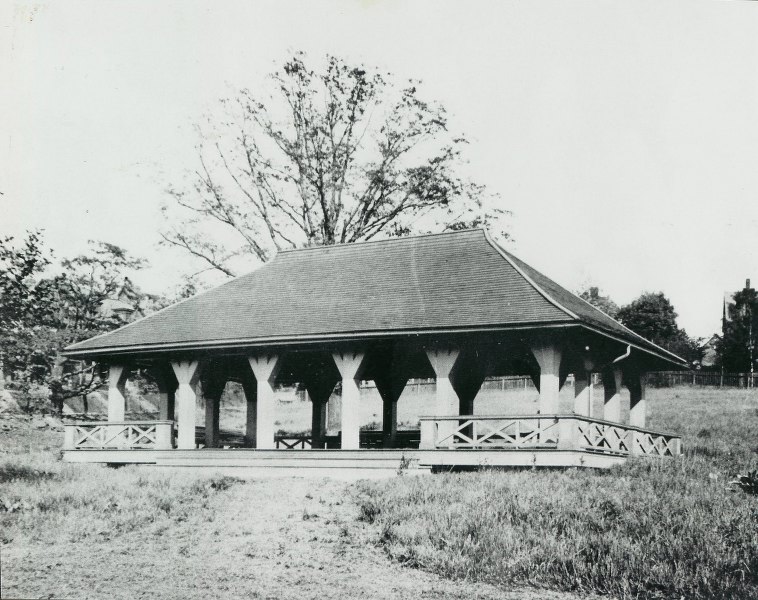
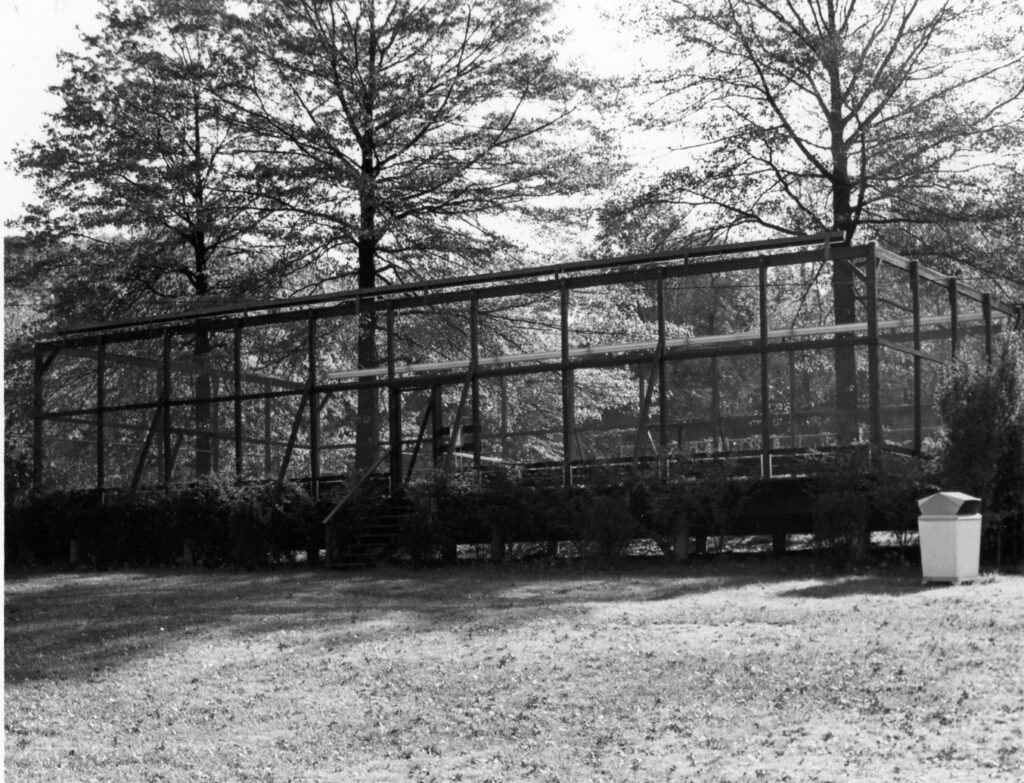
In 1976, the Summer House, originally constructed by the woodworking class in 1907, was demolished to make way for a new platform tennis court, was remembered with fondness by the alumni community.
By 1986, heavy rain forced the May Day program off Teegarden Field and into the Boys’ Gymnasium for the first time in 36 years.
In the fall of 1985, WPSD launched the Career Information Center for the Deaf, a program designed to help students explore their future career paths. Funded by a one-year Library Services and Construction Act grant, the program introduced new career-related reading materials, computer software, and an Apple computer to the school’s library. The grant also supported presentations by both local and national deaf professionals who served as role models for students. A total of forty-five high school students participated in weekly sessions, where they examined their skills, set career goals, explored post-secondary opportunities, learned about job categories and requirements, and practiced the process of job searching and retention. Among the presenters were eight WPSD alumni and two other distinguished deaf professionals who shared their experiences and guidance on making informed career choices. Meanwhile, telecommunications technology for the deaf was advancing rapidly. A short history of this progress appeared in the winter 1986 issue of WPAN, highlighting the rapid adoption of telecommunication devices for the deaf (TDDs). In the mid-1970s, when old Western Union teletypewriters became available, WPSD staff and students quickly embraced the technology. By the 1980s, advancements in communication led to the replacement of these older machines with more portable, electronic TDD units. In the fall of 1986, these modern devices were introduced at WPSD, further enhancing accessibility for students and staff.
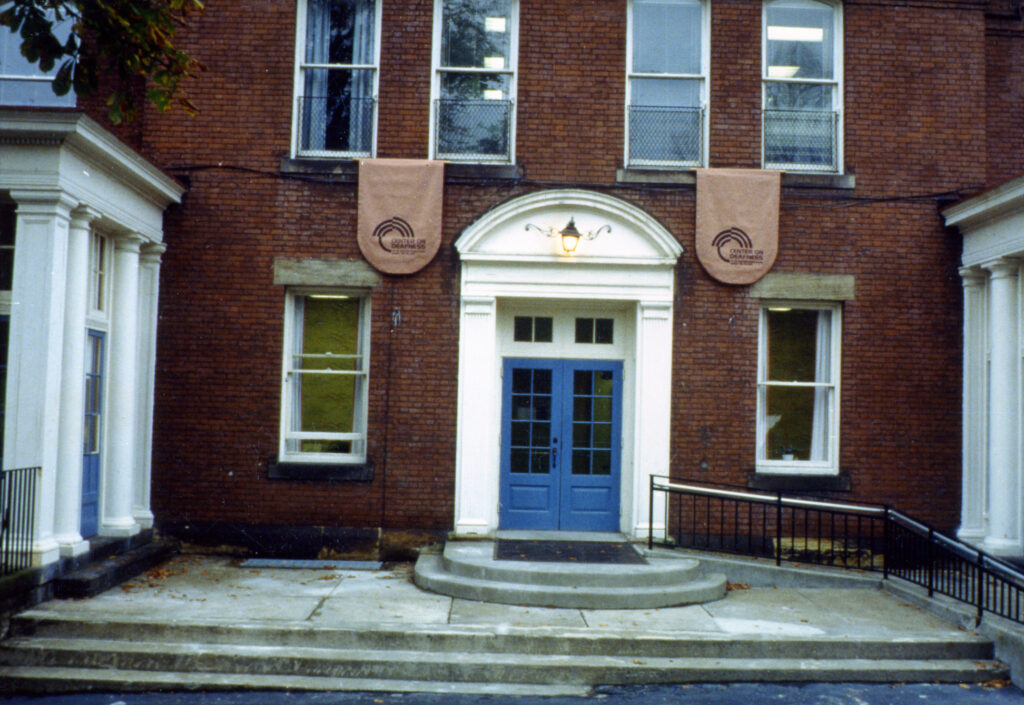
The Primary Building was transformed to house the new resource center, the “Center on Deafness.” The large second-floor rooms were converted into classrooms, bedrooms, and an office, while the first floor was remodeled into offices and evaluation spaces. Additionally, an elevator was installed to enhance accessibility.
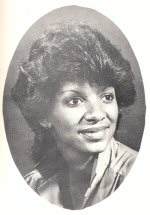
In the Eastern States Creative Arts Festival, sponsored by the Center of Deafness of Illinois, Tawanda Johnson ’85 won first place for her painting of light bulbs. The painting later won second place at the National Festival and was recognized as the most unique of all art entries.
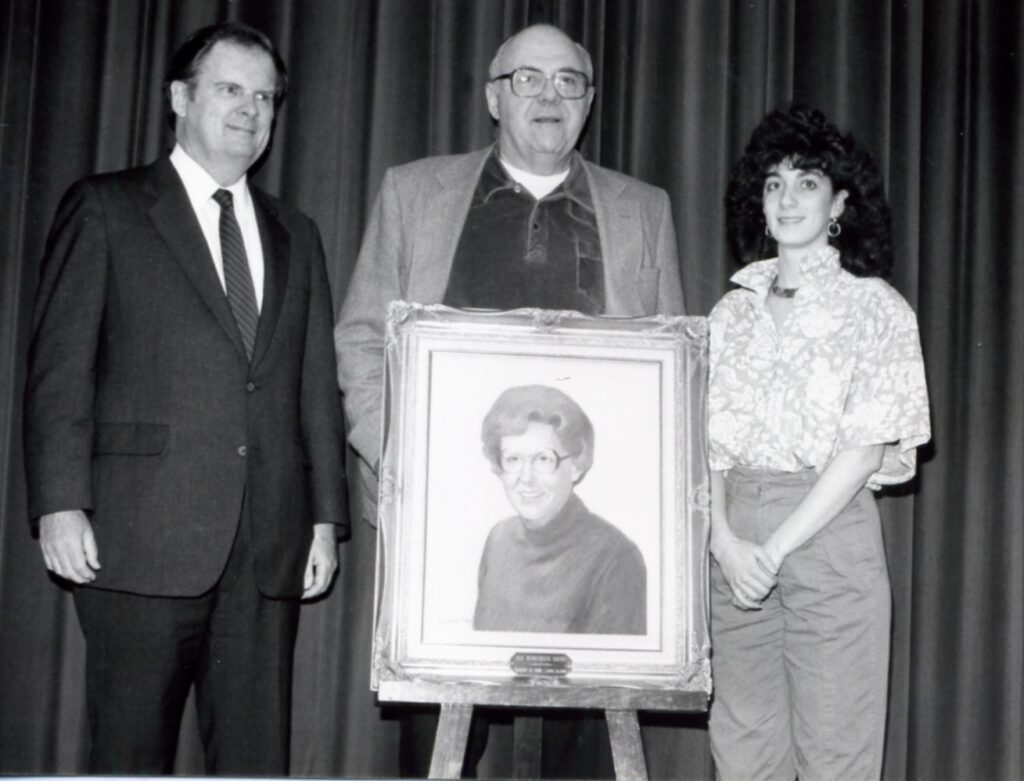
The Class of 1987 honored the memory of the late Ada Mundinger Sapko by presenting a portrait to hang in the lobby of the Girls’ Dormitory.
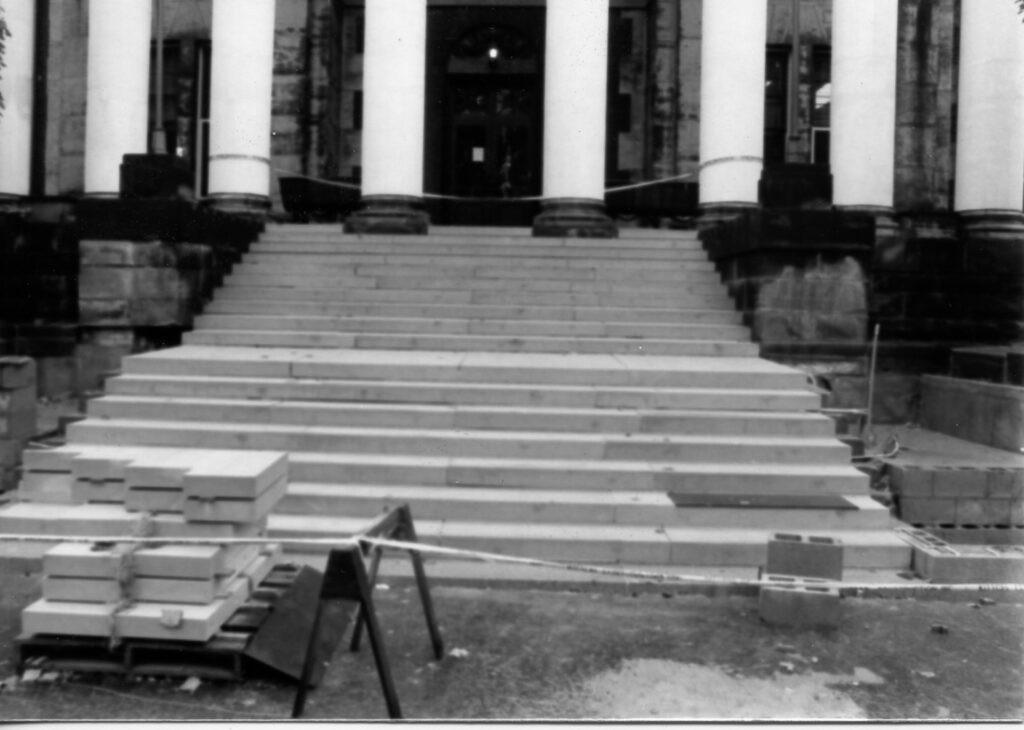
In 1988, improvements were made to the Main Building entrance. New steps with a heating element to melt snow and ice during the winter months replaced the original stairs. This update replaced a small storage area under the old stairs, which had been used to store potatoes during the winter since 1945.
Athletics continued to shine during these years. In 1987, the WPSD Varsity Soccer Team achieved a 14-4 record and was named the best deaf soccer team in the United States. Alan Majocha ’88 was recognized as the Deaf Soccer Player of the Year. Two years later, the 1989 Soccer Team, with an 11-2-1 record, also earned the title of Deaf Soccer Team of the Year.
Lynn Graves ’89 added to WPSD’s athletic legacy by being named Deaf All-American Wrestler.