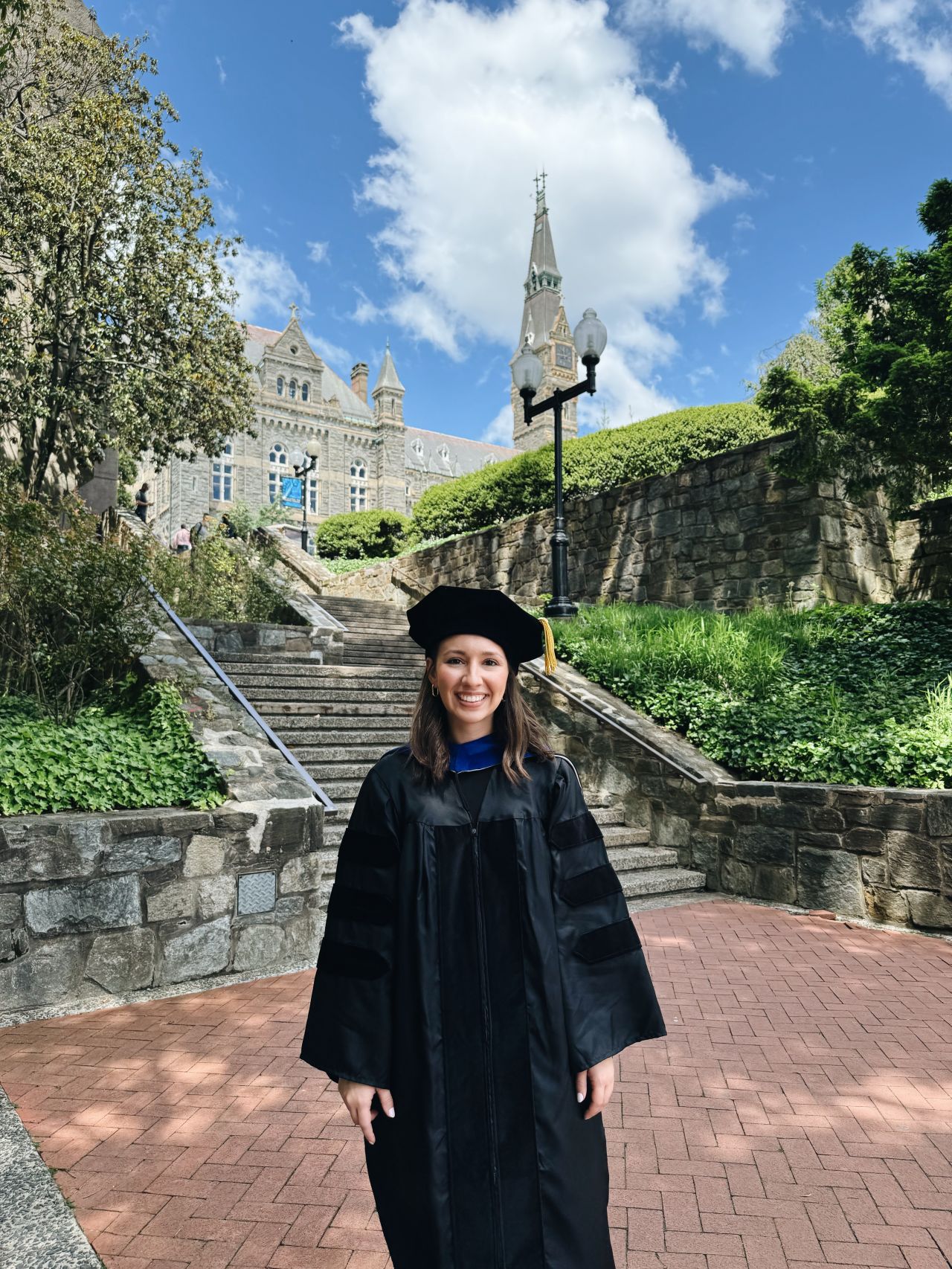
Megan Majocha, a proud 2015 WPSD graduate, carries on a rich family tradition of WPSD alumni. Her father Alan (Class of 1988), mother Jan, cousins Darrin (1983) and Tamara Majocha, aunt Lisa (1986), grandparents Arthur (1956) and Linda (Smith) Majocha (1961), great-aunt Anna (Smith) Resse (1953), great-uncles Harry Reese (1952) and Donald Majocha (1951), and great-great-aunt Bertha Eiszler (1925) all share in this legacy.
The roots of her career can be traced to her time at WPSD, where a pivotal experience with the Girls Athletic Association (GAA) left a lasting impact. Through organizing breast cancer fundraisers and preparing care packages for chemotherapy patients, she was unknowingly cultivating the compassion and drive that would guide her future. Today, those early efforts have come full circle, as she dedicates her professional life to cancer research and advocacy.
Three years after graduating from WPSD, she enrolled at Gallaudet University and earned her Bachelor’s degree in Biology in 2018.
In July 2019, Megan was accepted into the highly competitive Georgetown University through their National Institutes of Health (NIH) Graduate Partnership Program. She completed her coursework and laboratory rotations at Georgetown University, then conducted her dissertation research at the NIH In May 2024, she earned her Doctor of Philosophy (PhD) in Tumor Biology.
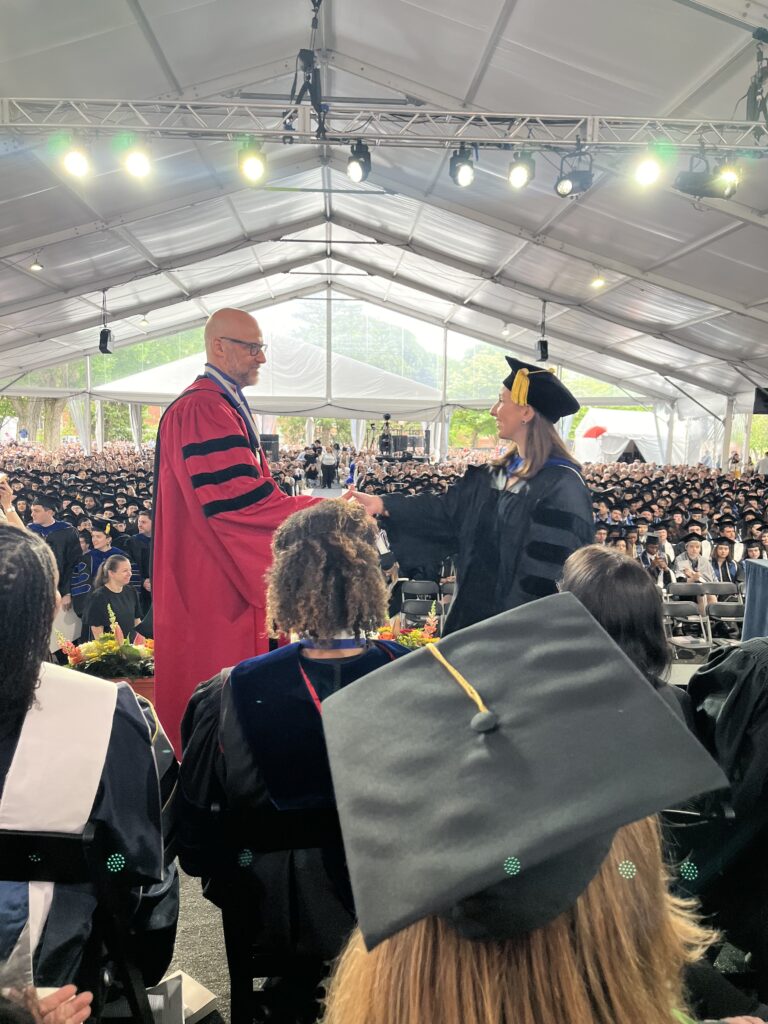
A doctorate degree is the highest academic degree awarded by a university. It signifies original research, deep expertise in a specialized field, and the ability to contribute new knowledge through scholarship, research, teaching, or professional leadership.
Earning a doctorate is a remarkable achievement for Deaf alumni. It demands intense focus, years of rigorous research and writing, strong discipline, and meaningful personal and lifestyle sacrifices. Along the way, Deaf scholars also navigate a predominantly hearing academic world, working closely with interpreters and support teams to fully access complex knowledge and confidently present their work at the highest professional level.
During her PhD, Megan championed science communication and advocacy. She held leadership roles with Georgetown’s Women in Science and the Wilmot Cancer Institute. Her outreach included editing for OncoBites, participating in NCI’s “Ask Me Anything” series, and joining Smithsonian STEM panels. STEM is an acronym that stands for Science, Technology, Engineering and Mathematics. A dedicated mentor, she guided NCI fellows and judged science fairs. Notably, she taught ASL to lab colleagues, fostering a more inclusive research environment and bridging gaps in scientific accessibility.
In today’s professional landscape, Megan benefits from modern technology that fosters seamless collaboration with her hearing peers. Tools such as email, text messaging, and real-time voice-to-text translation provide the necessary accommodations for her to connect fully with experts in her field.
Her greatest challenge was navigating advanced science education without standardized ASL signs for complex topics like molecular and tumor biology. She worked closely with interpreters, many of whom were not trained in science, to develop new signs in real time, requiring strong self- advocacy, patience and resilience. These efforts not only supported her success but also helped improve accessibility for others in STEM fields.
Her proudest achievement is bridging the worlds of cancer research and patient education. During her doctoral studies, she received numerous awards for her peer-reviewed research and her ability to communicate complex science to national and international audiences. She has also dedicated herself to mentoring and developing oncology curricula to inspire the next generation of scientists and advocates.
Today, she serves as the Scientific Communications Manager for Susan G. Komen, a leading non-profit breast cancer organization. In this role, she translates cutting-edge research into clear, accessible information for the breast cancer community. This position represents a “full-circle” milestone, allowing her to deliver high-level research expertise directly to the patients and families who need it most.
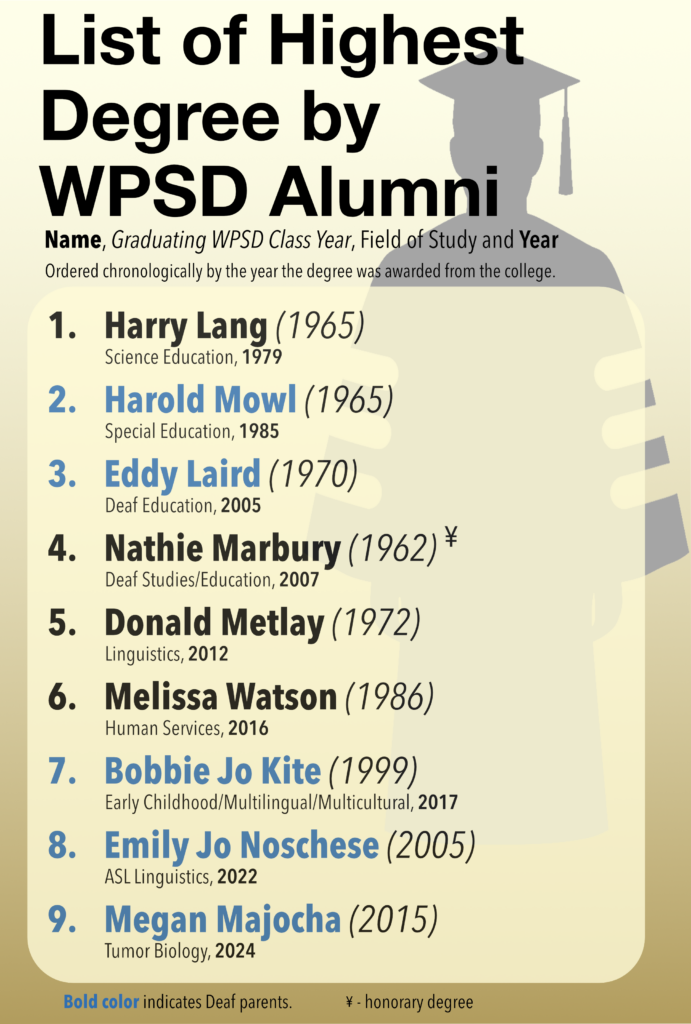
Megan is the ninth WPSD alumna to earn a doctorate degree and distinguished herself as the fastest to reach this achievement, completing it within just nine years of graduating from WPSD. Her accelerated path was made possible by earning college credits during high school, which she later transferred to Gallaudet University, allowing her to progress more quickly through her studies. Unlike other WPSD alumni who pursued both bachelor’s and master’s degrees before their doctorates, Megan’s program did not require a master’s. Instead, her PhD included the advanced coursework and research training typically provided at the master’s level, enabling her to move directly into doctoral study.
Next, let’s recognize eight other WPSD graduates who have earned their doctoral degrees, presented in chronological order by the year their degrees were awarded:
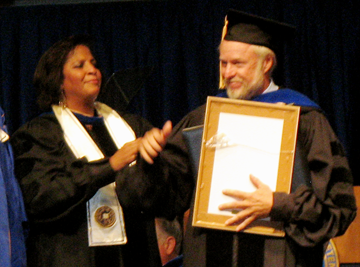
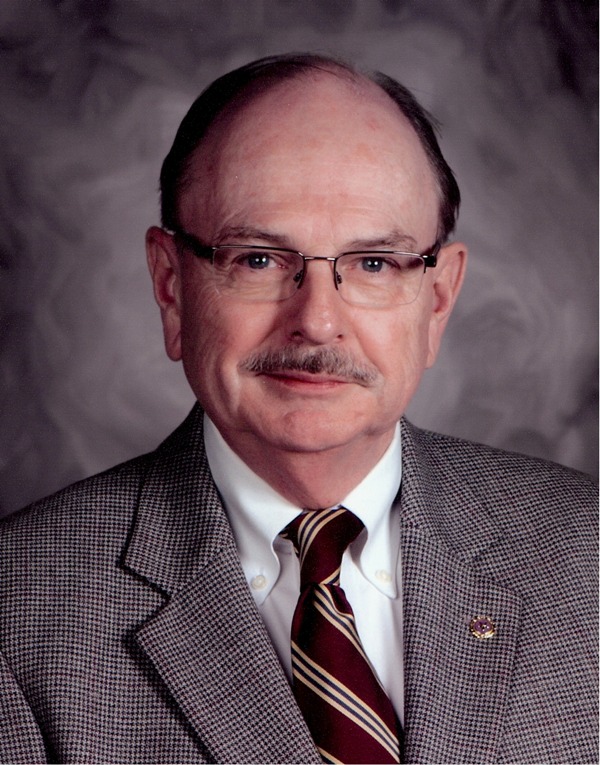
Harry Lang and Harold Mowl, both members of the WPSD Class of 1965, are the only two graduates from that class to have earned doctoral degrees in Deaf/Special Education. They received their doctorates in different years—Harry in 1979 and Harold in 1985—at Bethany College, a private liberal arts college in Bethany, West Virginia.
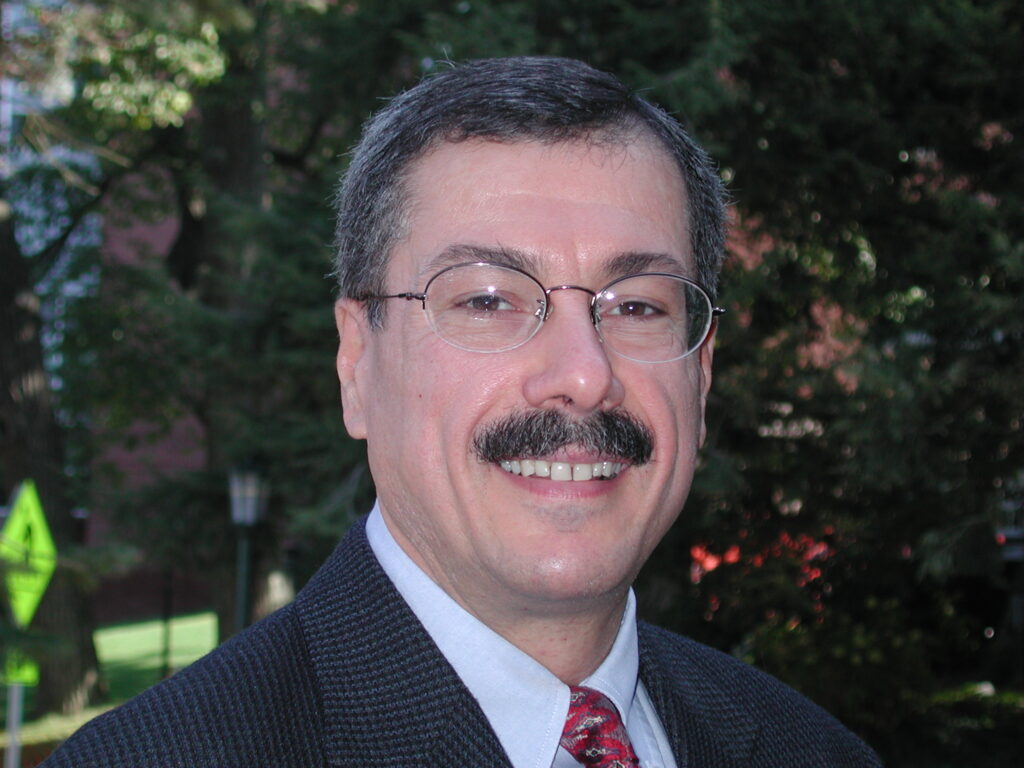
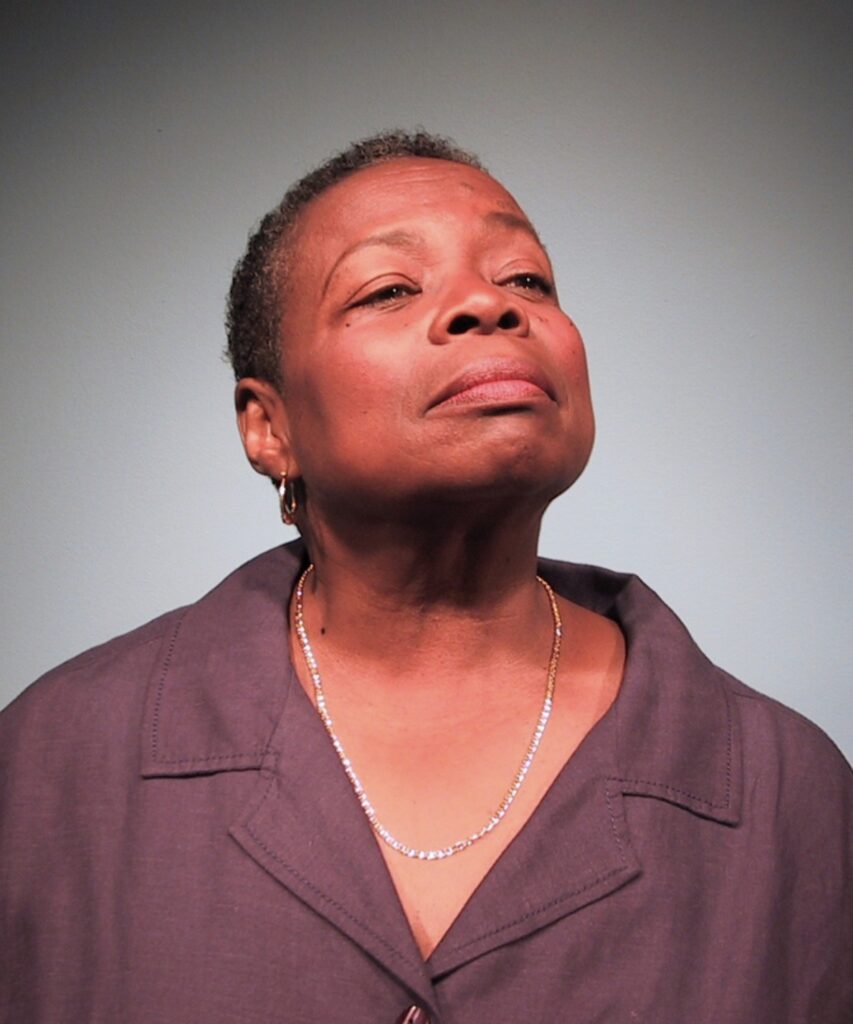
Eddy Laird, WPSD Class of 1970 and Nathie Marbury, WPSD Class of 1962 earned doctoral degrees in Deaf Education and Deaf Studies from Lamar University, a public university in Beaumont, Texas, in different years—Eddy in 2005 and Nathie in 2007. These degree programs are grounded in an ASL/English bilingual philosophy, which recognizes deafness as a cultural and linguistic identity rather than a disability.
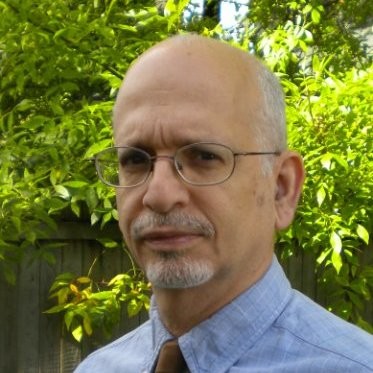
Donald Metlay, WPSD Class of 1972, received his doctorate from the University of Chicago in 2012. Focusing on Sign Language Linguistics, his dissertation on the ASL verb complex explains the language’s unique ability to integrate sentence-level information into a single sign.
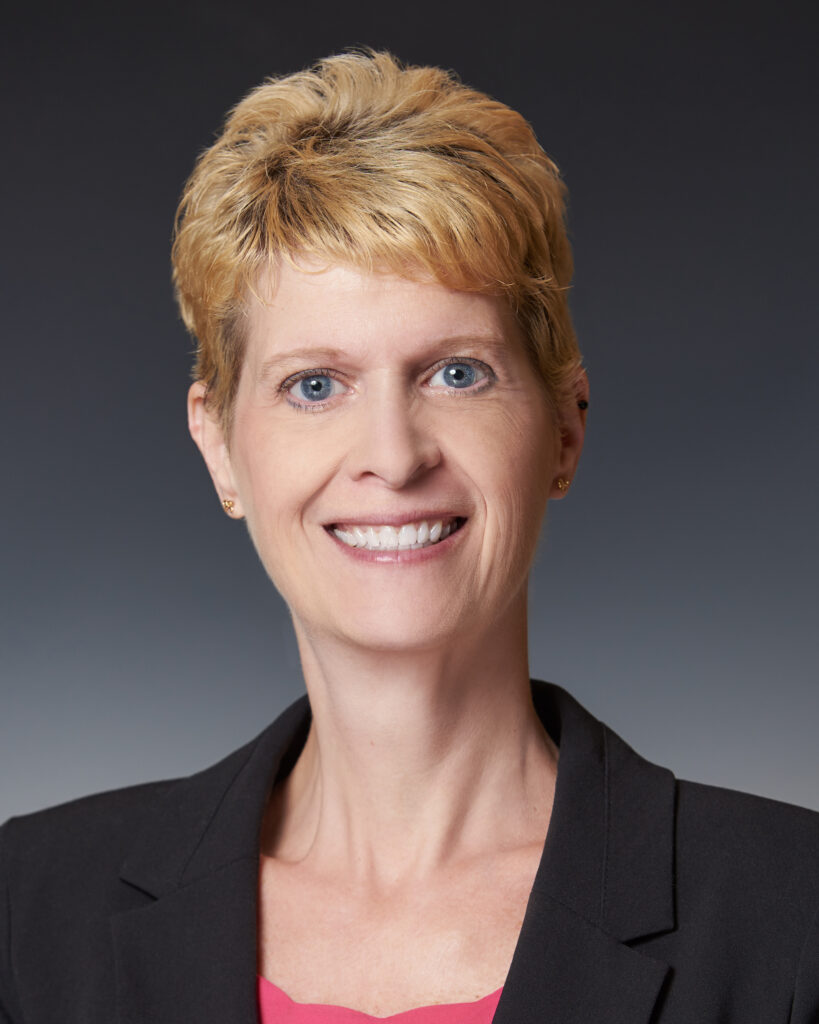
Melissa Watson, a 1986 WPSD graduate, earned her doctoral degree in Human Services from Capella University in 2016. Based in Minneapolis, Minnesota, Capella’s program is specifically designed to prepare professionals for executive leadership and academic roles within the social services sector.
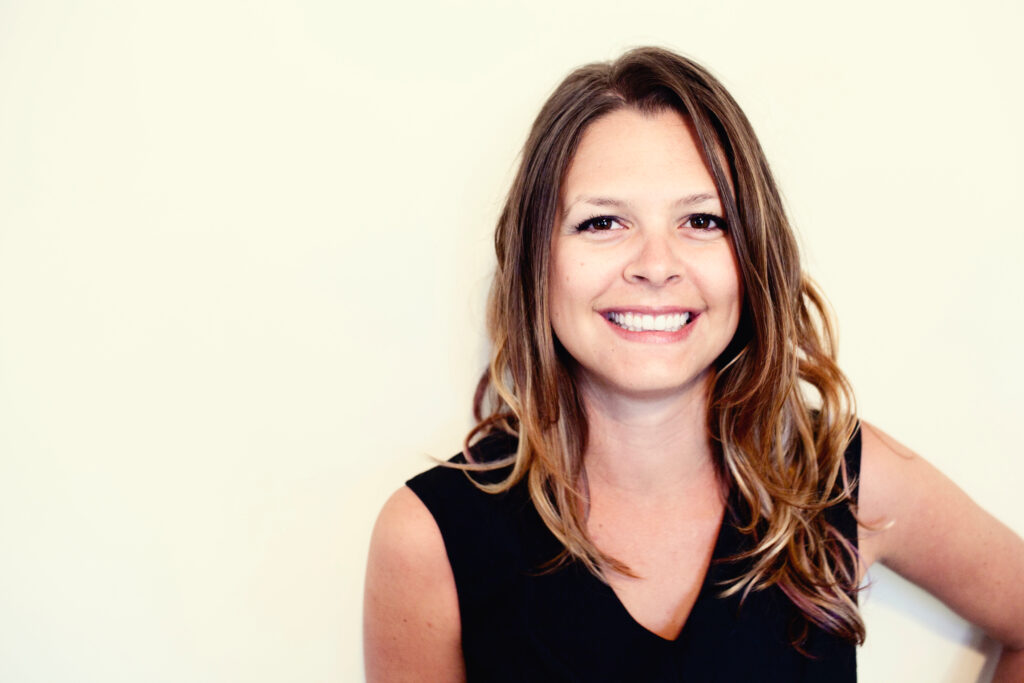
Bobbie Jo Kite, a member of the WPSD Class of 1999, earned her doctorate from George Mason University in August 2017. Specializing in Early Childhood and Multilingual/Multicultural Education, her studies focused on research-based, inclusive strategies designed to support the linguistic and cultural growth of young children while fostering meaningful partnerships with their families.
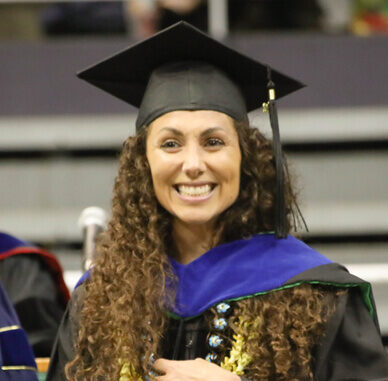
Emily Jo Noschese, a member of the WPSD Class of 2005, earned her doctorate in Linguistics from the University of Hawai’i at Mānoa in 2022. Her research focused on a case study of Hawai’i Sign Language (HSL), leveraging her expertise in language documentation and revitalization to preserve this unique linguistic heritage.
What a big accomplishment for them, especially Megan! She would like to share her most important advice with current WPSD students: take every opportunity that comes your way. Each experience can help refine your path, and without taking chances, you may never discover what truly excites you.
Written by David Fulmer. Special thanks to Stephen Rute for the collection list of doctorate degree names.